Why Customer Experience Is Becoming the #1 Growth Driver for Small Businesses
The Situation Many Small Businesses Are Facing
You’re getting leads.
People are finding you, inquiring, even booking.
But growth still feels… inconsistent.
Some clients are great. Others disappear after one transaction. Referrals happen occasionally, but not predictably.
So the instinct is to focus on getting more leads.
More marketing. More visibility. More outreach.
But despite the effort, it still feels like you’re constantly starting from scratch.
And that’s exhausting.
Because what most business owners don’t realize is:
It’s not always a lead problem.
It’s often a what happens after the lead problem.
Why This Is Showing Up More Often Right Now
The way businesses grow is shifting.
Acquiring new customers is getting more expensive and more competitive.
At the same time, customers have more options — and higher expectations.
They’re not just looking for a service.
They’re looking for an experience.
That includes:
how quickly you respond
how clear your process is
how easy it is to work with you
how consistent your communication feels
Because of this, retention and referrals are becoming more valuable than ever.
And businesses that focus only on acquisition are starting to feel the gap.
The First Thing Most Businesses Try
When growth feels inconsistent, most businesses double down on marketing.
They might:
invest in ads
post more on social media
try new lead generation strategies
optimize their funnels
Again — none of this is wrong.
Marketing matters.
But here’s what often gets overlooked:
Marketing brings people in. It doesn’t guarantee they stay, return, or refer.
So businesses keep filling the top of the funnel…
Without strengthening what happens after.
Where Things Usually Start Breaking Down
This is where the customer experience starts to impact growth.
You might notice:
onboarding feels unclear or inconsistent
clients have to ask for updates
communication varies depending on the situation
follow-ups don’t happen after a project ends
referrals rely on luck instead of design
Individually, these might seem small.
But together, they create friction.
And friction affects:
client satisfaction
repeat business
word-of-mouth referrals
Which means:
You’re working hard to get clients… but not maximizing the ones you already have.
A More Strategic Way to Think About Customer Experience
Instead of viewing customer experience as something “extra,”
Start seeing it as your growth system.
Because every stage of your customer journey impacts:
whether someone moves forward
how they feel about working with you
whether they come back
whether they refer others
So the question shifts from:
“How do I get more leads?”
To:
“How do I create an experience people want to continue and talk about?”
That’s where sustainable growth happens.
Practical Ways to Improve Customer Experience for Growth
If you want customer experience to become a real growth driver, here’s how to start.
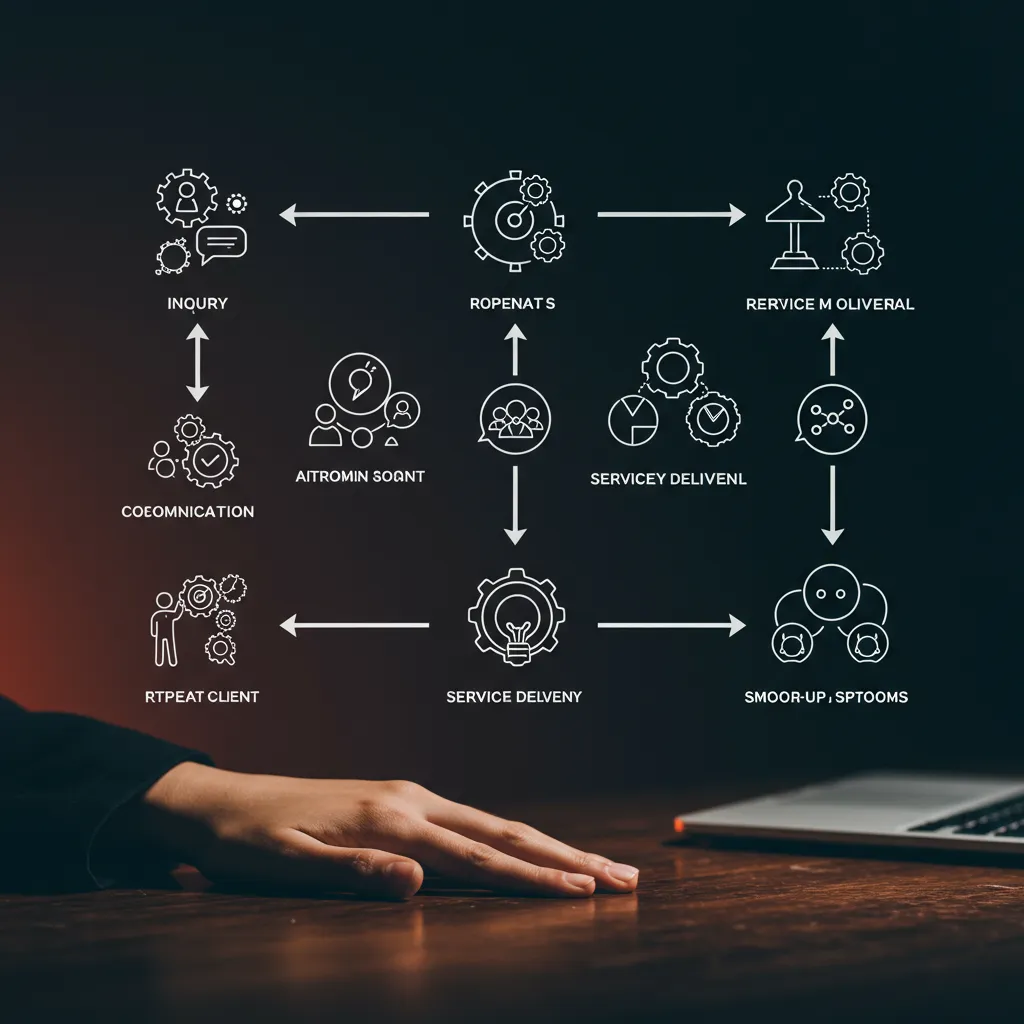
Map Your Customer Journey
Start from the very beginning:
first inquiry
first response
onboarding
service delivery
post-service follow-up
Write out each step.
This helps you see the experience from your customer’s perspective.
Standardize Key Touchpoints
Consistency builds trust.
Define:
how you respond to inquiries
how onboarding works
how updates are communicated
how you close out projects
This ensures every client has a reliable experience.
Build Simple Communication Systems
A lot of friction comes from unclear communication.
Set expectations early:
response times
next steps
timelines
And use systems (like a CRM or workflow tools) to keep communication consistent.
Create a Post-Service Follow-Up Process
Most businesses stop communication once the work is done.
This is a missed opportunity.
Add simple steps like:
checking in after delivery
asking for feedback
offering next steps or additional services
This keeps the relationship going.
Design for Referrals (Don’t Leave Them to Chance)
Happy clients often want to refer you.
But without a system, it doesn’t happen consistently.
You can:
ask for referrals at the right time
make it easy to refer
stay top of mind with past clients
Referrals should be part of your process — not an afterthought.
A Realistic Example
Let’s say a small service business — like a home cleaning company — wants to grow.
Before:
clients book services
communication is mostly reactive
no structured onboarding or follow-up
repeat bookings happen randomly
referrals are inconsistent
After focusing on customer experience:
They create a clear onboarding process with expectations
Clients receive consistent updates and confirmations
After each service, a follow-up message is sent
Repeat booking reminders are automated
Referral requests are built into the process
The result?
More repeat clients.
More referrals.
Less pressure to constantly find new leads.
Same service.
Better system.
Key Takeaways
Customer experience is becoming a primary driver of growth
Acquisition alone isn’t enough — retention and referrals matter more
Small gaps in communication and process create friction
Consistent systems improve client experience and outcomes
Growth becomes more predictable when the customer journey is intentional
My Strategic POV
Most businesses are focused on getting more attention.
But the real opportunity is in what you do with the attention you already have.
Customer experience isn’t just about being “nice” or “responsive.”
It’s about designing a system where:
clients feel taken care of
communication is clear
processes are consistent
relationships continue beyond the first transaction
Because when that system is in place, growth doesn’t feel forced.
It becomes a natural outcome.
Sometimes an outside perspective helps identify where your customer journey might be creating friction — or missing opportunities. This is the type of operational clarity I often help businesses build as a strategic partner.
Because when your customer experience is strong…
You don’t just get clients.
You build momentum.